
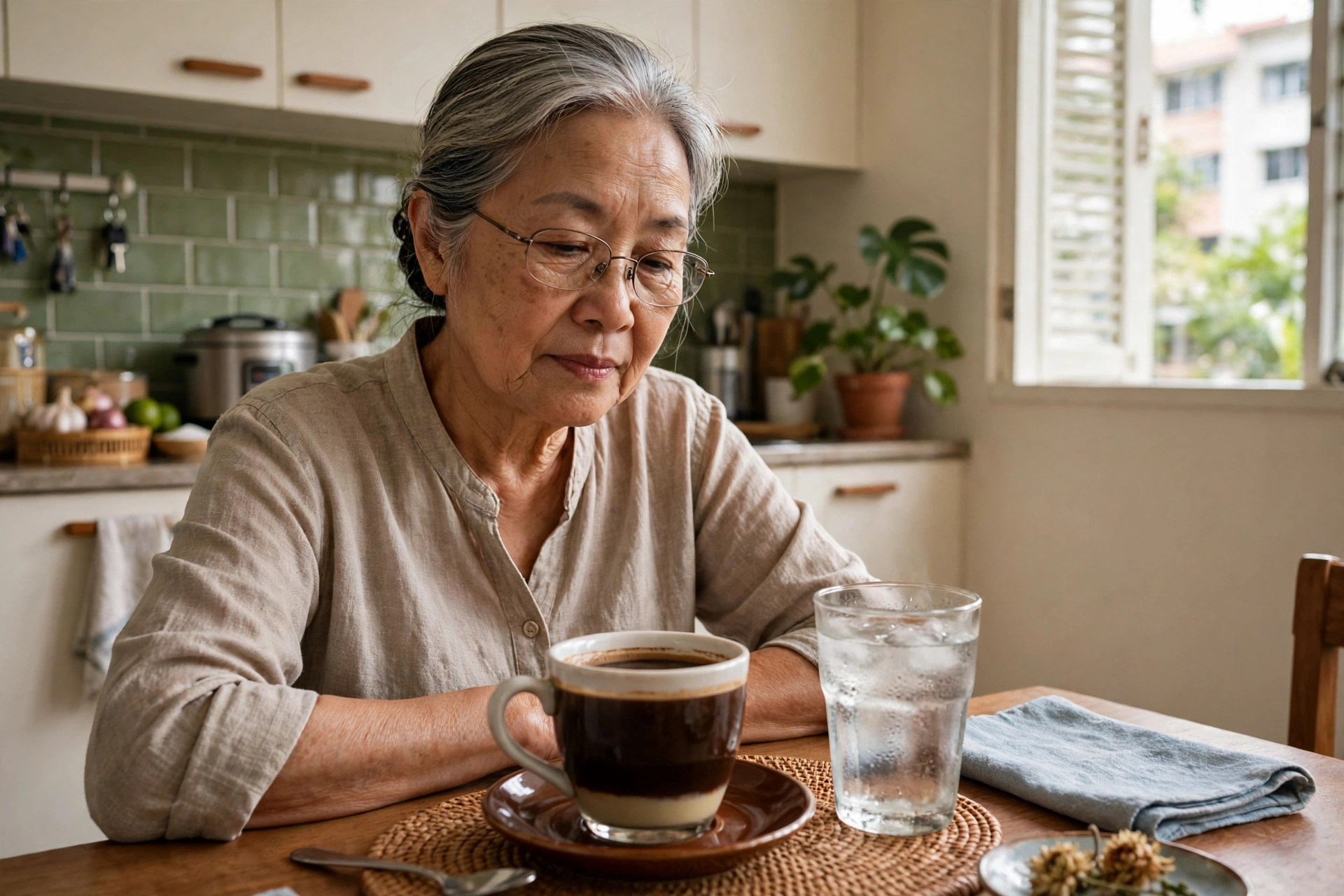
Have you noticed your bladder feels fine some days, and on other days you are rushing to the toilet again and again? The difference is often what you ate and drank. Certain everyday foods and drinks are bladder irritants: they stir up a sensitive bladder and make urgency, frequency and leaks noticeably worse.
This guide explains what bladder irritants are, the most common culprits — including local favourites like kopi, teh and sambal — and how to work out which ones actually affect you, so you only give up what you need to.
What are bladder irritants, and how do they work?
Think of the bladder as having a sensitive inner lining and a muscle wall that should stay relaxed while it fills. Some substances pass into the urine and irritate that lining, or nudge the muscle into squeezing too soon. The result: the bladder signals “full” when it is only partly full — sudden urges, more frequent trips, less time to reach the toilet.
This matters most if you have an overactive bladder or urge incontinence — the sudden, hard-to-hold type explained in our guide to the types of urinary incontinence. But any bladder has less reserve once it is sensitive, so irritants can tip a manageable situation into leaks.
And effects vary a lot: coffee may set one person off and not bother another at all. This is not about blaming your breakfast — it is about knowing the usual suspects so you can test them calmly, one by one.
The most common bladder irritants
Caffeine: the biggest culprit
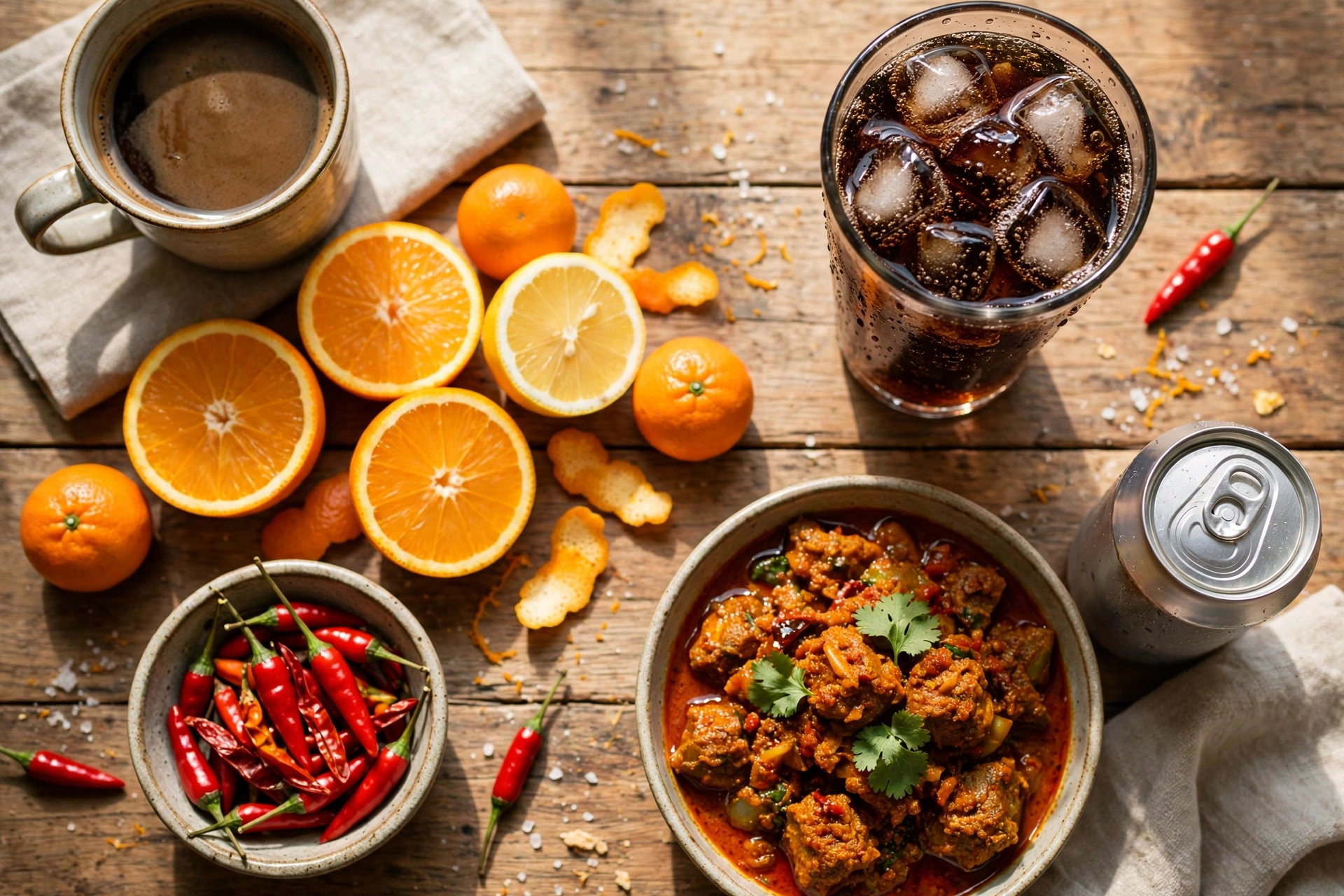
Caffeine irritates the bladder and makes the kidneys produce urine faster, so the bladder fills sooner and complains earlier. It hides in coffee (including your morning kopi), tea (teh, green tea, Chinese tea), cola and energy drinks, bubble tea, and even chocolate.
You do not necessarily have to quit. Many people find one morning cup is fine — it is the second cup, or caffeine after mid-afternoon, that starts the trouble.
Alcohol
Beer, wine and spirits irritate the bladder, increase urine production, and dull the brain’s awareness of bladder signals. An evening drink often shows up later as extra night-time trips.
Fizzy drinks
The carbonation itself can irritate the bladder, even without caffeine. Cola is a double hit — fizzy and caffeinated — but sparkling water and soda can bother some people too.
Acidic foods and drinks
Acid irritates the bladder lining directly. Usual sources: citrus fruits and juices (orange, lemon, lime, grapefruit), tomatoes and tomato sauces, pineapple, and vinegar-heavy foods like pickles. That refreshing orange juice may come at a cost an hour later.
Spicy food
Chilli, curry, sambal and hot sauces are common triggers — a challenge in Singapore, where a meal without chilli can feel incomplete. If your worst days follow a laksa or curry, the pattern is worth checking.
Artificial sweeteners
Sweeteners such as aspartame and saccharin — in many “diet”, “zero” and sugar-free drinks and sweets — irritate some bladders, and are easy to miss in ingredient lists.
Step 1: Find your own triggers with a bladder diary
Do not ban everything at once — you would be miserable, and you would never learn which items actually matter for you. Instead, test properly, the way you did when you started bladder training for incontinence:
- Keep your 3-day bladder diary again, noting exactly what you eat and drink, and when urges or leaks happen.
- Look for patterns. Urges flaring within an hour or two of kopi, citrus juice or a spicy lunch are a strong clue.
- Cut one suspect for a week. Just one — say, the afternoon teh — keeping everything else the same. Note whether things ease.
- Bring it back and watch. Symptoms return? You have found a real trigger. No change? That food is fine for you — keep enjoying it, and test the next suspect.
Within a few weeks you will have your personal list — usually much shorter than the full list above.
Step 2: Swap, don’t stop — what to choose instead
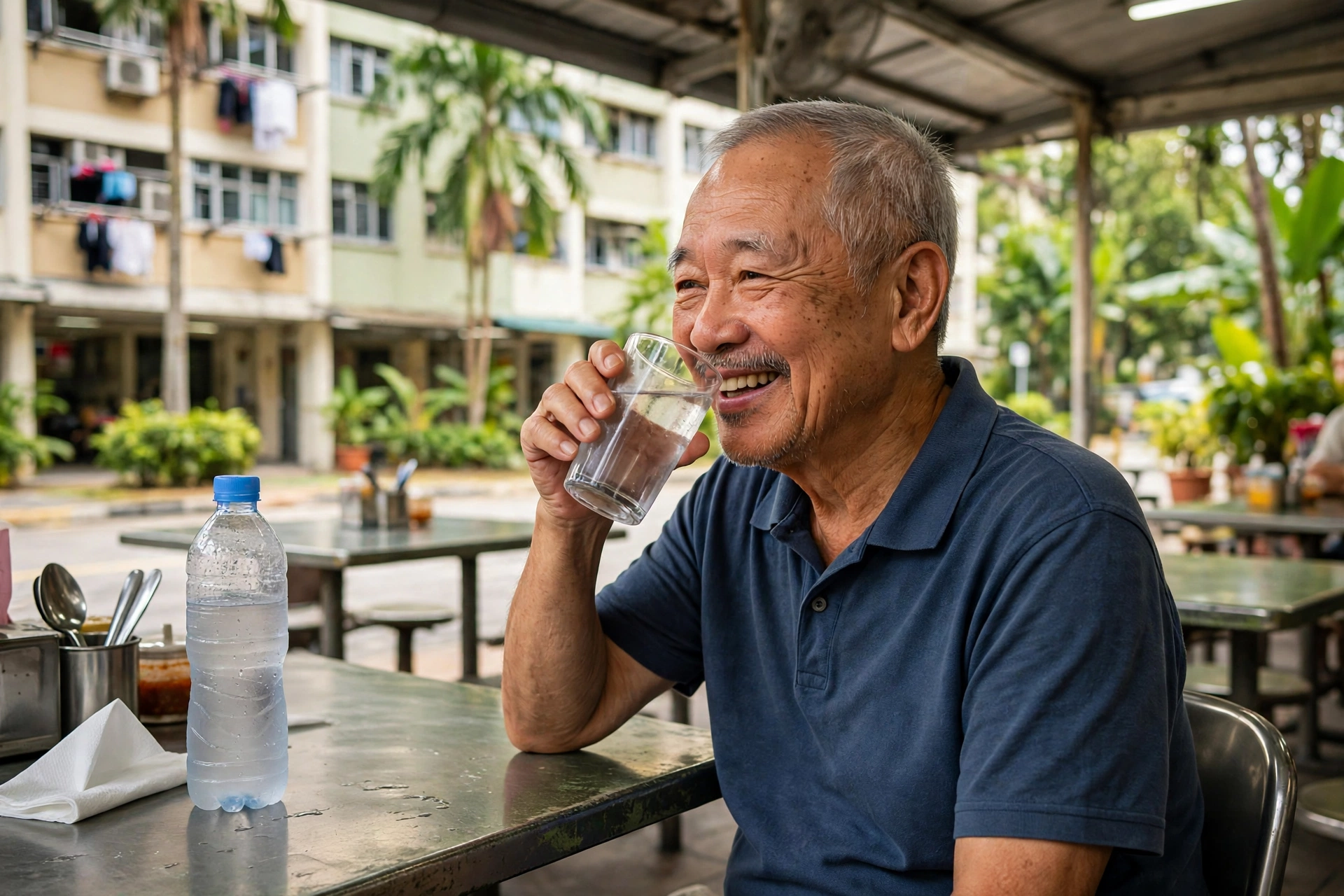
- Water is the main drink. Keep a bottle with you and sip steadily.
- For the kopi habit: try decaffeinated coffee or teh, a smaller or half-strength cup, or one real cup in the morning and a caffeine-free drink later. Barley water and caffeine-free herbal teas suit many people.
- Dilute what you love. Orange juice half-and-half with water, or a smaller glass with a meal, is often tolerated when a full glass is not.
- Mind the timing. Last caffeinated or alcoholic drink well before bed; ease off fluids in the last two hours before sleep if night trips trouble you. Before a long outing, choose water over kopi.
- Go gentler on spice — ask for less chilli, or keep sambal on the side so you control the amount.
The trap: drinking less makes it worse
When leaks are a problem, the instinct is to drink less. Please do not. Too little fluid makes urine concentrated and dark — and concentrated urine is itself a bladder irritant, so urgency often gets worse. Drinking too little also raises the risk of urine infections and constipation, and a full bowel presses on the bladder.
Aim for a steady 1.5 to 2 litres a day for most adults, unless your doctor has advised otherwise, spread through the day. Pale, straw-coloured urine means you are on track. Diet changes work best alongside the rest of this series — pelvic floor exercises strengthen the muscles, bladder training retrains the urge, and cutting your personal irritants removes the sparks.
When to see a doctor soon
Food and drink explain a lot, but not everything. Book a check-up promptly if you have blood in your urine, pain or burning when passing urine, repeated infections, a fever, a sudden change in bladder habits, or you cannot pass urine at all. If leaks keep affecting your sleep, confidence or daily life despite cutting your triggers, that alone is reason enough to ask for help — there are treatments beyond diet.
While you adjust, stay comfortable and confident
Finding your triggers takes a few weeks of testing, and life does not pause in the meantime. The right absorbent product lets you enjoy meals, kopi outings and family gatherings without worrying about leaks while you work out what your bladder can handle. Unsure which size or style suits you? A trial pack is an easy way to find out at home.
Know your triggers, keep drinking enough water, and protect yourself comfortably — together, they make incontinence far more manageable.
This article is general information only and is not medical advice. Incontinence has many causes, some of which need medical treatment — please see a doctor for a proper diagnosis, and check with your doctor before making major diet or fluid changes if you have kidney, heart or other health conditions.